Libbey Signature Kentfield Estate All-Purpose Wine Glass: Worth the Investment?
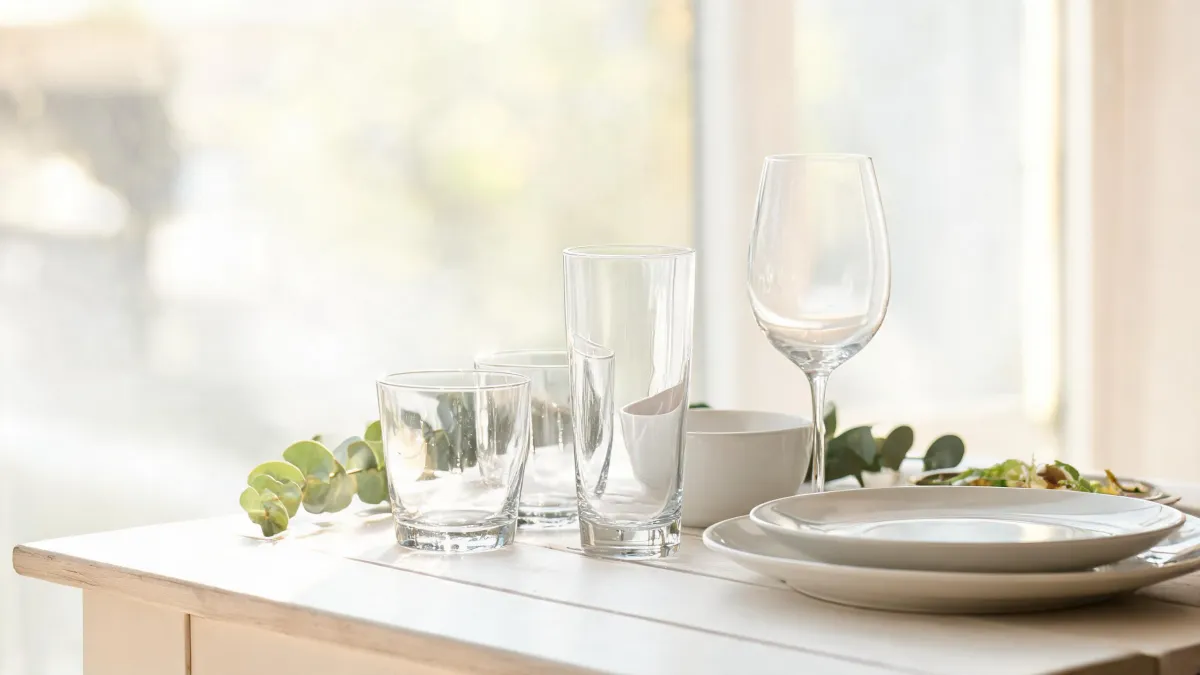
Yes, the Libbey Signature Kentfield Estate All-Purpose Wine Glass is worth buying for most people who drink wine regularly or host casual dinners. The glass earns its place with a combination of thoughtful everyday design and the kind of brand history that reduces risk: Libbey has been making tableware since 1818, and it positions its products to last through years of use. That heritage matters because it signals manufacturing consistency. If you're tired of fragile glasses that chip after a few dishwasher cycles, this is a safe, versatile upgrade. The decision isn't really about whether 'all-purpose' masters one wine type; it's about whether you want a glass that can handle everything you throw at it without drama.
A Direct Answer: Is This Glass Worth It?
So what exactly does an all-purpose wine glass need to deliver? It needs to handle red, white, and sparkling wines without making any of them feel like an afterthought. That means a bowl that's generous enough for a bold red to open up, but not so large that a delicate white loses its chill. The Libbey Signature Kentfield Estate glass strikes that balance with a shape that's been refined for everyday practicality. The bowl holds a standard pour comfortably, and the rim is smooth to the touch—something you appreciate with every sip. It should also feel substantial without being heavy, so you can swirl a full-bodied vintage without worrying about snapping the stem. This glass manages that balance neatly: the stem is sturdy but not clunky, and the base resists tipping when you reach across the table. Because it's engineered for daily use, you can put it in the dishwasher without dreading the result. For most drinkers, that's all you need from a single glass.
Such confidence comes from Libbey's heritage and its promise of durability. The company has been crafting tableware since 1818, and its own materials describe a mission to serve 'the makers of drinks, the makers of meals and the makers of memories.' That line matters because it frames the glass as part of a larger commitment, not a one-off product. With more than 200 years of experience, Libbey has had ample time to refine how its glass is formed, finished, and tempered. That history reduces the risk of buying something that will let you down. When you see a generic glass at a similar price, you're not getting that same track record. The brand's longevity is a signal that its products have been stress-tested across decades of changing consumer habits, which is exactly the kind of assurance you want for something you'll handle daily. This is the kind of quiet reliability that makes a glass a fixture in your cabinet rather than a replacement item.
Two Centuries of Tableware Credibility
What does a 200-year-old company actually teach you about a wine glass? It teaches you that durability and practicality outlast trends. Libbey's history stretches back to 1818, and that long run has refined how its glass is formed and finished. The brand's website talks about having 'the resources and insights that come with a 200-year history'—insights that show up in how the glass is weighted, how the rim is finished, and how it stands up to repeated washing. When you hold this glass, you're holding the result of that experience. It's the reason a simple glass can feel more confident in your hand than a flashier alternative from a newcomer. That experience is baked into every curve and edge, so you don't have to think about the glass at all. It simply does its job—all you want from an everyday piece.
The durability promise is where this glass really separates itself. Libbey says its tabletop solutions are 'durable enough to withstand the busiest bars and wildest backyard barbecues.' With proper care, the company adds, its products can last a lifetime. That's a meaningful claim for anyone who runs a dishwasher every other day or entertains outdoors. The glass feels sturdy in hand, and the brand's 'Made to Last' positioning directly addresses the common complaint about cheap glasses that shatter at the first knock. So when you compare the Libbey against a budget set, the real differentiator is that proven toughness, not the shape. This is the kind of glass that survives the occasional clink and still looks presentable when guests arrive. It's also easy to hold for long stretches, which matters when you're standing around talking at a party. That assurance makes you reach for it again and again.
What to Check in an All-Purpose Wine Glass
Beyond that, what should you look for in an all-purpose wine glass? Key attributes are bowl volume, rim thickness, weight, and dishwasher safety. A generous bowl gives wine room to breathe, while a thinner rim feels better against your lips. But for daily use, sturdiness and easy care are just as important. You want a glass that can handle a clink, a drop into the sink, and a hot drying cycle. A stable base and a comfortable stem matter too—you shouldn't worry about tipping when you reach across the table. A well-designed glass of this kind should also be stackable, so it doesn't take over your cabinet, and lightweight enough to lift and swirl with one hand. The right proportions make a difference: a bowl that's too tall can make a table setting feel fussy, while one that's too short may not hold enough for a proper pour. Look for a rim that's uniformly smooth—rough edges are a telltale sign of poor manufacturing. And consider the glass's center of gravity: a base that's too narrow will tip over easily, but one that's too wide can feel clumsy. These details make the glass disappear into the background, letting you focus on the wine and company.
Why do these details matter so much? Because this style of glass has to perform across a range of situations. A large bowl might be great for a bold Cabernet, but if it's too oversized, it makes a bottle of Pinot Grigio feel lost. A thick rim may survive knockabout use, but it can dull the experience of drinking a delicate rosé. The sweet spot is a glass that's balanced: enough capacity for reds, enough elegance for whites, and enough strength for the dishwasher. This Libbey glass hits that balance with a shape that doesn't try to be dramatic but gets out of the way, letting the wine be the center of attention. It feels reassuring in hand and lands with a quiet thunk instead of a clatter. That kind of thoughtfulness matters more than any fancy curve. It's also about how the glass interacts with your routine: if you're washing it by hand, you want a shape that's easy to dry; if you use a dishwasher, you want a material that doesn't cloud. These are the judgments that turn a purchase into a long-term relationship.
A Decision Checklist for Your Next Glass Set
What does a practical decision checklist look like? It separates practical needs from emotional appeal. Start with the brand: has it been making glassware for decades, and is durability part of its promise? Next, look at the construction: does the glass have a reinforced rim and a solid base? Then consider care: will it survive the dishwasher and stack well in your cabinet? Finally, weigh the price per glass against how often you'll actually use it. When you run the Libbey through this checklist, the 200-year history and the 'made to last' statement from the brand answer the first and second questions immediately. That evidence shifts the decision from 'which glass looks best' to 'which glass will last.' It changes the conversation from aesthetics to longevity, exactly what you need for a glass meant for everyday abuse. The checklist also forces you to be honest about your own habits: if you only entertain twice a year, you don't need the same durability as someone hosting weekly dinner parties.
The Libbey scores well on that checklist. The brand positions its home products as a way to 'set the table for life's great moments,' which tells you this is meant to be used, not kept behind glass. The Signature Kentfield Estate line fits into that positioning with a no-nonsense design that prioritizes function. On the checklist, it earns high marks for durability and heritage, but you should also note the price: it's not the cheapest option on the shelf. If your routine involves nightly wine and frequent dinner parties, the cost per glass is justified. For occasional use, a cheaper set might make more sense. But that's a personal calculation, not a flaw in the glass. The brand's own positioning says this glass is for people who want their table to feel special without the stress of hand-washing crystal. That matches the mindset of most hosts. That's a valuable reassurance when you're spending money on something you'll use daily.
When This Glass Is (and Isn't) the Right Fit
There are clear scenarios where this glass shines. If you host casual dinners every week, if you drink wine while cooking, or if you entertain on the patio where glasses are likely to get knocked over, the Libbey is a sensible choice. Its robustness means fewer broken glasses and less stress when someone bumps the table. It's also a great fit for holiday gatherings where you might need a dozen glasses in rotation but don't want to bring out your best crystal. The glass feels substantial without being heavy, so it suits long evenings where you'll refill it several times. It's also a good match for people who like to pour generously without worrying about the glass feeling fragile. In everyday use, the glass's balance lets you set it down on uneven surfaces without it tipping, and the rim resists chipping when you stack plates nearby. If your life involves more clinking than candlelit tastings, this is the glass you'll reach for.
But there are limits. If you're a serious wine enthusiast who wants to compare the aromatics of different vintages, you'll likely want varietal-specific glassware with more pronounced bowls and narrower openings. The all-purpose shape is a compromise, even if it's a smart one. And if your budget is extremely tight, you can buy a serviceable set of plain rocks glasses for less money. The Libbey is a mid-priced option that asks you to buy into the idea that durability is worth a few extra dollars. For most people, that trade-off is worth it; for purists or penny-pinchers, it may not be. It's also worth noting that the glass has a moderate bowl, so if you prefer an oversized Bordeaux-style glass for heavy reds, you'll feel the difference. But that's not a weakness; it's the nature of an all-purpose design. The same shape that handles a Pinot Noir will also work for a rosé spritzer, and that flexibility is exactly what the name promises.
The Verdict: Buy With Confidence (or Not)
So here's the verdict: if you want a dependable glass that can keep up with your life, the Libbey Signature Kentfield Estate is a confident yes. The brand's own message—'set the table for life's great moments'—captures what this glass does best. It lets the moment stay about the people and the meal, not about fragile stemware. The glass won't wow you with cutting-edge design, but it will still be in your cabinet after years of use, unlike many cheaper alternatives. That longevity is the reason to choose it. It's a glass that earns its place through reliability, not showmanship. When you're hosting a dinner party, the last thing you want is a broken glass in the sink; the Libbey's durability removes that worry. So while it might not be the most expensive or the most elegant glass on the shelf, it's the one you'll actually use.
Here's a reusable rule to guide your decision: ask two questions. First, do you plan to use this glass at least a few times a week? Second, do you value easy cleanup and the peace of mind that comes from a brand with a 200-year track record? If you answered yes to both, buy the Libbey with confidence. If you only bring out wine glasses for special occasions, spend less elsewhere. The litmus test is frequency: the more you use a glass, the more its durability and heritage matter. That's why this verdict comes with boundaries. It's not a universal must-have; it's a smart buy for a specific kind of drinker. For that person, the glass will outlast the novelty of any trend. And that's the best thing you can say about an everyday piece: it becomes a quiet part of your routine, and you stop thinking about it altogether. When a glass does that, it's earned its place in your kitchen.
The Libbey is the right everyday wine glass for most drinkers.

Ingrid Falk
Ingrid Falk is an outdoor living products analyst specializing in fences, pergolas, gazebos, canopies, greenhouses, shade sails, patio sets, outdoor sofas, and weatherproof cushions. She uses ISO 4892-2 and ASTM G154 weathering methods while comparing UV color change, coating adhesion, corrosion resistance, frame load, joint stability, water shedding, and dimensional movement. Her work helps garden retailers, project buyers, and hospitality operators select structures and furniture suited to wind exposure, climate, installation method, maintenance, and expected occupancy.
Leave a Reply