Libbey Hoops 16-Piece Tumbler and Rocks Glass Set: A Host's Guide to Durable Entertaining
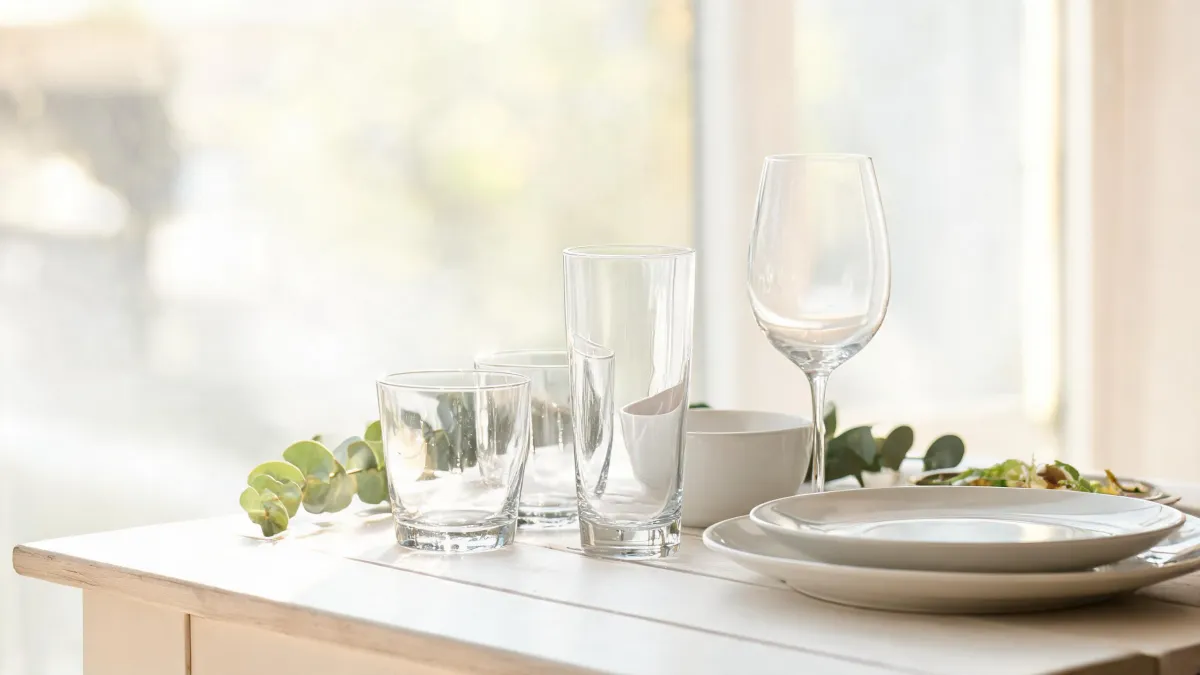
What happens when you set out eight mismatched glasses for a backyard barbecue? Picture the scene: you've just carried a tray of iced tea and lemonade to the table, and a friend reaches for a thin tumbler that wobbles on the wood grain. Another guest, holding a rocks glass from a hotel giveaway, gives it a skeptical spin before pouring a drink. The gathering is casual—eight or ten people, a few burgers on the grill, music drifting from the porch—but somehow the glassware becomes the quiet test. If a cup cracks or feels cheap, the whole evening takes on a flimsy edge. You want something that looks like you cared, but also something that won't shatter when someone bumps the table. That's the moment you realize the choice of glassware isn't trivial; it's part of the hospitality itself. A set like the Libbey Hoops 16-piece—with its mix of tumblers and rocks glasses—promises to solve this in a way that looks both practical and elegant. That's the promise worth testing. As Libbey's own message puts it, when you gather people around a table, you're not just making food and drinks—you're making memories. And memories deserve sturdier vessels than the ones you've been pulling from the back of the cabinet.
The Backyard Pour: Where Glassware Gets Tested
What happens when you set out eight mismatched glasses for a backyard barbecue? Picture the scene: you've just carried a tray of iced tea and lemonade to the table, and a friend reaches for a thin tumbler that wobbles on the wood grain. Another guest, holding a rocks glass from a hotel giveaway, gives it a skeptical spin before pouring a drink. The gathering is casual—eight or ten people, a few burgers on the grill, music drifting from the porch—but somehow the glassware becomes the quiet test. If a cup cracks or feels cheap, the whole evening takes on a flimsy edge. You want something that looks like you cared, but also something that won't shatter when someone bumps the table. That's the moment you realize the choice of glassware isn't trivial; it's part of the hospitality itself. A set like the Libbey Hoops 16-piece—with its mix of tumblers and rocks glasses—promises to solve this in a way that looks both practical and elegant. That's the promise worth testing. As Libbey's own message puts it, when you gather people around a table, you're not just making food and drinks—you're making memories. And memories deserve sturdier vessels than the ones you've been pulling from the back of the cabinet.
Why should a brand's age matter when you're buying glassware? For over two centuries, Libbey has been making tableware for professionals and home hosts alike. Since 1818, the company has focused on producing glass that can withstand the demands of a commercial kitchen—where glasses are stacked, washed, and handled dozens of times a day. That history isn't just a marketing fact; it's a promise that the products have been refined through decades of real-world punishment. When you pick up a Libbey glass, you're holding the result of years of engineering, from the thickness of the rim to the weight of the base. A bar that serves hundreds of drinks a night doesn't have time for fragile glass, and Libbey has earned its place there. For a home host, that pedigree means the same durability that survives a busy bar will likely survive your annual barbecue. So when a brand says 'made to last,' it's not an empty slogan—it's a claim backed by 200 years of continuous service. The company's own story, told across two centuries, explains why Libbey tabletop solutions remain a preferred choice for foodservice professionals and home hosts alike.
When the Flimsy Glass Gives Out: A Material Comparison
What actually separates a glass that survives a busy kitchen from one that cracks after a few washes? Think about the last time you washed a delicate wine glass. You probably handled it carefully, avoided the dishwasher, and still held your breath when it clinked against another glass. In a busy kitchen, that fragility is a liability. Cheap glassware often has thin walls, a sharp transition at the base, and a rim that chips easily. The moment a glass is stacked or jostled, those weak points give out. Durable glass, by contrast, uses thicker walls and a heavier base to absorb the bumps of everyday life. It might not feel as refined in your hand, but it doesn't need to be treated like a museum piece. The trade-off is simple: you can buy glasses that are beautiful but brittle, or you can choose ones that are sturdy enough to survive the occasional knock. For anyone who entertains regularly, the choice becomes less about aesthetics and more about practicality. A glass that feels solid when you lift it is less likely to end up in the recycling bin after one season.
What proof do we have that Libbey can deliver that durability? Libbey's own positioning gives us a clear answer. The company has spent over 200 years building tableware for the makers of drinks, meals, and memories, and it explicitly states that its products are durable enough to withstand the busiest bars and wildest backyard barbecues. That's not a vague promise; it's a design target. When you choose Libbey, you're choosing glassware that has been battle-tested in commercial settings, where a single broken glass can mean a server running for a replacement in the middle of a rush. The fact that foodservice professionals rely on the brand is a strong signal that the products can handle far more than the average home throws at them. With proper care—meaning regular washing and avoiding extreme thermal shocks—a Libbey glass can last a lifetime. This is the kind of evidence that moves the decision from 'should I spend more?' to 'why would I risk less?' The brand's message is clear: durable enough for the busiest bars, wild enough for the backyard.
Tumbler vs. Rocks Glass: The Shape of the Pour
Why does the shape of a glass matter when you're serving both iced tea and a bourbon cocktail at the same table? Take a tall tumbler and a short rocks glass. The tumbler, with its straight sides and larger capacity, is designed for beverages that benefit from more liquid and a wider opening—think water, iced tea, lemonade, or a simple mixed drink. The rocks glass, by contrast, is shorter and wider, built to hold a smaller pour of spirits over ice. Its heavier base and thick rim are meant to handle a glass of whiskey on the rocks or an old-fashioned. The shape affects more than just looks. A narrow opening concentrates aromas, while a wider one allows room for ice and garnish. A tumbler's height keeps a drink cooler longer because it holds more liquid, while a rocks glass fits comfortably in the palm for savoring a spirit. When you set out both shapes, you're telling your guests that you've thought about what they're drinking, not just about having enough cups. The right shape isn't a snobbery; it's a way to make every drink taste and feel more like it was meant to be served.
A set that includes both tumblers and rocks glasses is not a random assortment; it's a deliberate system for entertaining. When you have eight of each, you're equipped for a wide range of moments—from a summer party where everyone wants cold water or soda, to an evening when a few friends settle in for a neat pour of bourbon. The combination means you rarely have to wash glasses midway through a gathering. Instead of asking someone to finish their drink so you can reuse the cup, you simply rotate between the two styles. It also avoids the awkwardness of offering a wine glass for a shot of tequila or a highball glass for a single malt. For a host, that flexibility is the quiet superpower of a matched set. There's also a visual coherence to having the same design across both shapes. A table lined with matching tumblers and rocks glasses looks intentional, as if the entire party was planned around a single aesthetic. That sense of polish is part of the experience you're creating for your guests. Ultimately, the logic of pairing two glass shapes comes down to one thing: the right drink in the right vessel, every time.
The 16-Piece Decision: Quantity, Cost, and Fit
How many glasses does a host actually need for a gathering of eight or ten friends? The reflex answer is 'one per guest,' but that ignores the reality of how people drink. Some guests will double up—a water glass that stays at the table while they take a cocktail glass to the grill. Others will set down a half-finished drink and wander off, leaving the glass behind. You also have to account for the occasional clink that leads to a crack. A 16-piece set gives you eight tumblers and eight rocks glasses, which means you can put out eight of one style and still have eight of the other in reserve. That's enough to serve a full party without running to the sink mid-evening. Libbey's own approach to entertaining reinforces this idea: when you bring people together, you're not just serving drinks—you're setting the stage for the evening. The right quantity of glassware is part of that stagecraft. It's what lets you say 'grab a glass' instead of 'wait, let me wash this one.' As Libbey's own message says, gathering friends and family is about making memories, and the right tabletop supports that.
The 16-piece set wins not because of the number alone, but because of the mix it brings to the table. Buying tumblers and rocks glasses separately often means ending up with mismatched styles or paying more for the convenience of a combined package. A dedicated set ensures that every glass shares the same rim, same weight, and same stance, so the table looks cohesive without extra effort. It also solves the storage problem: rather than hunting for the one remaining tumbler in a cabinet full of odd cups, you have a uniform stack that's easy to pull out and put away. Libbey's reputation in foodservice tells you that this kind of reliability has commercial credibility. Bars and restaurants don't buy glassware that will shatter on the first tray; they buy products that can handle constant use. For a home host, that means the same set will move effortlessly from a casual lunch to a holiday dinner. The cost per glass in a 16-piece set is more attractive than buying individual pieces, and you know exactly what you're getting before you commit. That's the kind of purchase decision that feels right both at the checkout and at the end of a long evening. Libbey's tabletop solutions have been a top choice for foodservice professionals and home entertainers alike, which is exactly the endorsement this decision needs.
Back to the Party: The Set That Holds Up
So does the Libbey Hoops set actually hold up when the party moves outside? Back at the barbecue, the scene shifts. The iced tea is poured into a tall tumbler, the bourbon into a rocks glass with a heavy clink. Someone bumps the table while reaching for a plate, and the glass shudders but doesn't fall. A guest rests a bottle on the edge of a glass, and it takes the weight without stress. The evening goes on, and the glasses stay intact. This is the payoff of choosing a set that was designed for real use. Libbey's own promise—that its products can withstand the busiest bars and the wildest backyard barbecues—ceases to be a slogan and becomes the thing you watch unfold in front of you. The gathering isn't about the glassware anymore; it's about the people, the food, and the fact that nobody has to keep one eye on the cups. The memory you're making isn't about a broken glass or a frantic cleanup; it's about a relaxed, well-served party.
The party that started this whole consideration ends with a different feeling. What began with a cabinet full of mismatched glasses—some wobbly, some thin—closes with a matched set that you don't have to apologize for. You watch a friend lift a rocks glass and say 'this feels nice.' Another guest asks where you got the tumblers. The answer, Libbey, carries a century of implied trust. You don't have to explain that the brand has been making glassware since 1818 or that it serves professionals everywhere; the glasses themselves speak to that history. The decision to invest in a 16-piece set has settled something deeper than just storage; it's a bet on everyday practicality and quiet elegance that keeps paying off. It's given you the confidence to host without the silent fear of a shattering cup. The evening winds down, the glasses are stacked for the dishwasher, and they come out clean and ready for the next time. That's the callback to the opening scene: the same host, the same backyard, but now with the right tool for the job. And as Libbey's own story reminds you, with proper care, this glassware can last a lifetime—just like the memories you're making.

Ingrid Falk
Ingrid Falk is an outdoor living products analyst specializing in fences, pergolas, gazebos, canopies, greenhouses, shade sails, patio sets, outdoor sofas, and weatherproof cushions. She uses ISO 4892-2 and ASTM G154 weathering methods while comparing UV color change, coating adhesion, corrosion resistance, frame load, joint stability, water shedding, and dimensional movement. Her work helps garden retailers, project buyers, and hospitality operators select structures and furniture suited to wind exposure, climate, installation method, maintenance, and expected occupancy.
Leave a Reply