Libbey Paneled Tumbler Set Review: A Durable Everyday Glass With an Honest Catch
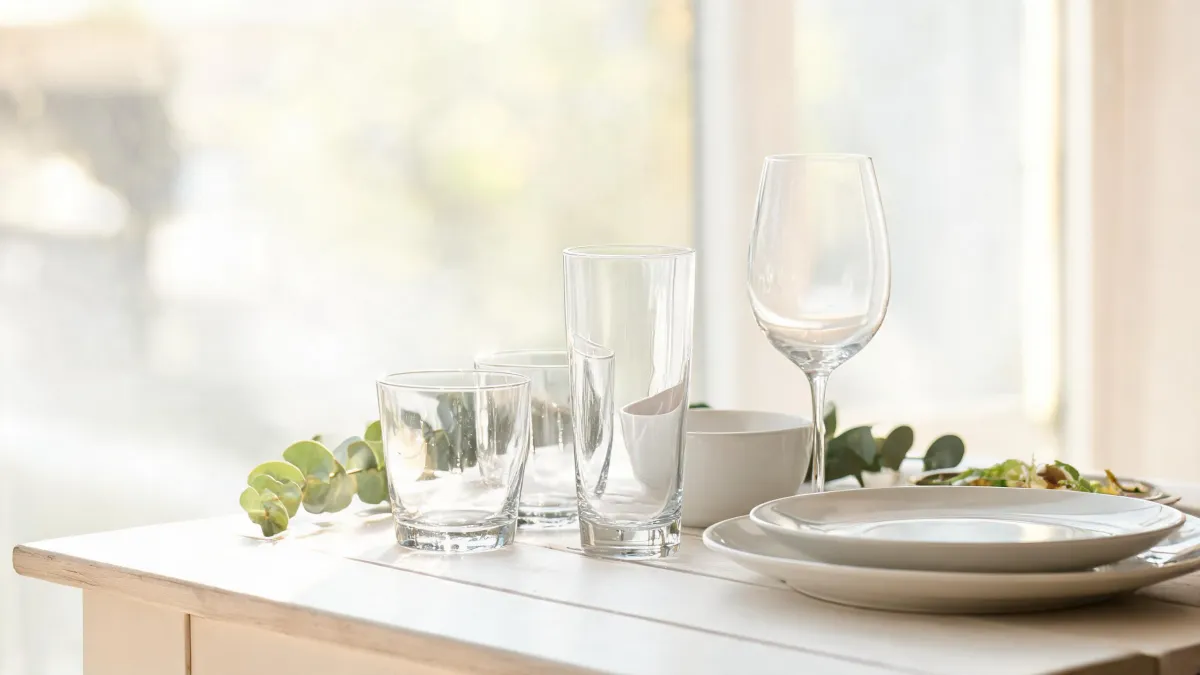
Most people treat a set of drinking glasses as a no-thought purchase: grab a cheap six-pack, bring it home, and forget about it. That casual assumption is exactly what the Libbey paneled tumbler set challenges. After two centuries of making tableware for restaurants, bars, and home kitchens, Libbey has built a glass that balances durability, price, and everyday aesthetics, but it does so with an explicit condition: proper care. This isn't a luxury product with an inflated price tag, and it isn't an indestructible piece of glassware either. It's a reliable, honest tumbler that will serve you well for years if you treat it with basic respect. The decision to buy it, then, isn't about glass at all—it's about whether you're willing to accept that condition. That's the debate you should have before you click add to cart.
A Tumbler Deserves More Thought Than You'd Expect
Is there really anything to decide here? You walk into a store, see a set of six paneled tumblers for a modest price, and toss them into your cart without a second thought. But pause for a moment and think about what you're actually buying. A drinking glass is something you'll handle every day, wash by hand or in the dishwasher, set down on counters made of stone, wood, and ceramic, and accidentally clink against other glasses during a toast. The material, the manufacturing process, and the brand's history all influence whether that glass survives your routine for a decade or ends up cracked and recycled within months. Most people assume glass is glass, and that's where their expectations go wrong. The Libbey paneled tumbler set forces you to reconsider that assumption, not because it's expensive or exotic, but because it represents a middle ground that deserves a closer look. What makes it interesting is that the brand has a specific answer to this question—and that answer isn't 'we never break.'
The question stops being theoretical when you look at how Libbey positions these glasses. The official description talks about gathering friends and family, sharing meals, and making memories, with beautiful, durable products for the home. That isn't just marketing fluff; it's a claim about the product's role in real life. Libbey explicitly frames its home tableware as something built for the moments when you're not carefully handling things—when you're passing glasses around the table or toasting at a backyard barbecue. In other words, the brand is telling you this set is meant to be used, not admired. That promise matters because it aligns with what you actually need from a beer glass or a water tumbler: something that won't let you down halfway through a party. It also tells you where the product sits in the market: not at the top with crystal, not at the bottom with throwaway glass, but in a practical zone that most households occupy most of the time.
You're probably reading this because you've stared at the shelf of glassware and felt the tug between cheap, unknown brands and expensive designer sets. Maybe you host a weekend dinner every few weeks, or you just want a reliable set of tumblers for iced tea in the summer. You've seen the Libbey name in restaurants and bars, and you're wondering if that translates to your kitchen. The real use scenario is exactly that: casual family meals, a cold drink after work, a few friends over for burgers and drinks on the deck. These are not moments that require crystal stemware; they require stacking, clinking, and dishwashing cycles. That's the context you should keep in mind as we walk through what makes this set worth considering. It's also the context that explains why the brand's history and care instructions matter so much—they're designed for exactly this kind of everyday chaos.
Two Centuries of Tableware History Aren't Just a Marketing Line
What does a 200-year history actually tell you about a glass? It tells you that the company has survived every change in taste, every economic downturn, and every shift in how people drink. Libbey's own materials mention that since 1818, they've been in the business of making tableware for makers of drinks, meals, and memories. That isn't just a sentimental note; it's a record of continuous production and adaptation. When a brand has been making glass for that long, the company has likely refined its manufacturing processes, learned which shapes survive commercial dishwashers, and built a supply chain that keeps prices reasonable. More importantly, that history is validated by the foodservice industry, which is notoriously hard on tableware. Restaurants and bars buy in bulk, use glasses hundreds of times, and replace anything that chips or breaks easily. The fact that Libbey has remained a top choice for those professionals over two centuries says something concrete about the glass's integrity. So the founding year is not a decorative detail; it's a proxy for engineering and quality control that has been tested in the toughest environments.
Put the Libbey set next to two alternatives: a no-name four-pack for $8 and a handmade designer tumbler for $30 each. The cheap glasses feel thin, wobble on the table, and often have visible seams that telegraph fragility. The designer glasses are beautiful, but you'll wince every time someone sets one down too hard or puts it in the dishwasher. The Libbey paneled tumbler sits squarely in the middle. The paneled design adds a bit of visual interest—the facets catch light in a way that plain cylinders don't—but it doesn't scream luxury. The glass is substantial without being heavy, and the rim is smooth without being delicate. For most people, this is the sweet spot: a glass you don't feel nervous about using, but one that doesn't look like a diner giveaway either. The comparison is what makes the purchase decision interesting, because it forces you to ask where your priorities lie: price, beauty, or day-to-day resilience.
Libbey's own language makes that middle ground explicit. The official materials use the phrase 'Made to Last' and describe products durable enough to withstand the busiest bars and wildest backyard barbecues. That's a strong claim, but it's also conditional. That same line adds 'with the proper care, our products can last a lifetime.' Notice the qualifier. The brand isn't promising a magic unbreakable glass; it's promising that if you treat it reasonably, it will serve you for years. That's the shift in thinking that matters. Instead of asking 'Will this break if I drop it?' you should ask 'Will this keep looking good through normal wear and tear?' That's where the Libbey set demonstrates its strength. The history and the restaurant testing support the first part of the claim; the care caveat explains the boundaries—and it's the boundaries that make the promise believable.
Durability Has a Condition: It's Called Proper Care
Proper care is a small set of habits, but it's not nothing. The company's materials, while not listing a specific care manual, tie the lifespan of the product to how you treat it. In practice, that means hand-washing is gentler on any glass than a dishwasher cycle, though Libbey glass is dishwasher-safe. It means not using the glass as a hammer or scraping inside it with metal utensils. It means avoiding sudden temperature shocks—don't pour boiling water into a cold glass, and don't move a glass straight from the freezer to a hot sink. Is that unreasonable? Not really. These are the same expectations you'd have for any decent glassware. What the brand is really saying is that the glass is designed to survive normal use, not abuse. The distinction is important because buyers who expect a glass to survive being knocked off a counter onto concrete will be disappointed. But buyers who understand that 'durable' means 'resistant to the normal wear of daily life' will find that the Libbey set holds up remarkably well, even after hundreds of washings and thousands of sips.
Think about a typical Saturday. You're making iced tea, you've got burgers on the grill, and a few friends have wandered into the kitchen. Glasses are being fetched, refilled, and occasionally set down on wooden tables without coasters. The paneled shape gives you a better grip than a smooth, slippery cylinder, which is a small but real advantage, especially when your hands are slightly wet. When someone accidentally clinks their glass against yours in a toast, you hear a solid, satisfying ring, not a thin, brittle tinkle. You're not worried every time a glass is passed over the sink, and you don't feel the need to hide your good glasses when the party gets lively. That's the experience the Libbey set is designed for. It's not the glass you bring out for a formal dinner; it's the one you use for everyday life, and it behaves accordingly—calm, sturdy, and unpretentious.
There's a common misreading of Libbey's claim that products can last a lifetime, especially when you read the phrase in the context of the foodservice line. Some people interpret 'last a lifetime' as 'never breaks,' and you'll see customer reviews expecting the glass to survive a drop onto tile. That's not a fair test, and it's not what the company promises. The official materials connect longevity to proper care, and they describe the product's resilience in terms of real-world scenarios: busy bars, backyard barbecues, frequent handling. If you drop a Libbey tumbler onto a hard floor, it can shatter just like any other glass. What the brand does promise is that, under normal conditions, the glass won't weaken, cloud, or crack prematurely from simply being used, washed, and stacked. That distinction, between unbreakable and long-lasting, is exactly what many reviews get wrong. Adjusting your expectation from 'indestructible' to 'durable when cared for' is the difference between loving this set and feeling misled. Read the product description carefully, and you'll see that the brand is being honest about what it can and cannot do.
The Verdict: A Balanced Choice, Not a Luxury
Here's my verdict after weighing the evidence: the Libbey paneled tumbler set of 6 is a smart purchase for anyone who wants a reliable, good-looking everyday glass without paying premium prices. It will likely outlast cheaper alternatives because it comes from a company with two centuries of glassmaking refinement and a proven record in restaurants and bars. But its longevity is conditional, and that condition is not a hidden catch; it's just the reality of glass. If you're someone who treats glassware with basic respect—rinsing, stacking carefully, not throwing them into the sink from across the room—this set will serve you well. If you expect a glass to be a lifetime guarantee against breakage, no product will satisfy you. In that sense, the Libbey set is a balanced choice, not a luxury, and the balance is exactly what makes it worth the money. It doesn't promise to be the most beautiful glass you'll ever own, but it promises to be there every time you reach for a drink, which is more than many premium options can claim.
Who should buy this set? Perfect for: first-time homebuyers outfitting a kitchen on a budget, families with kids who will use the glasses daily, people who host backyard cookouts and need something that won't cause anxiety. Also for those who appreciate a touch of design—the paneled facets give the glass a slightly premium look without a premium price. Skip it if you're shopping for a wedding gift that needs to impress with crystal, if you want ultrasonic-thin walls that feel delicate, or if you have a household where glasses are regularly knocked over by running kids or rambunctious pets. Also skip it if you hate any manual care instructions; even though the set is dishwasher-safe, you'll get more life out of it if you hand-wash, and some people simply won't do that. For everyone else, this is the kind of product you buy once and forget about—not because it's invisible, but because it never gives you a reason to think about it.
The rule I'd offer, then, is this: ask yourself what you'll do with a glass on a normal Tuesday. If the answer is 'pour a cold drink, use it, wash it, put it back,' the Libbey paneled tumbler will do exactly what you need for a decade. If your answer involves 'drop it from the top shelf onto a tile floor,' then no glass is right for you. The brand isn't selling indestructibility; it's selling the confidence that comes from a 200-year-old promise backed by the most demanding customers in the industry. That confidence, combined with reasonable care, is what turns a modestly priced tumbler into a long-term companion. That's not hype—it's just a product that knows its limits, and so should you. Choose the glass that matches your habits, and you'll never have to think about glassware again. That's the honest verdict, and it's a fair one.
Final thought: match the glass to your habits, not your hopes.

Ingrid Falk
Ingrid Falk is an outdoor living products analyst specializing in fences, pergolas, gazebos, canopies, greenhouses, shade sails, patio sets, outdoor sofas, and weatherproof cushions. She uses ISO 4892-2 and ASTM G154 weathering methods while comparing UV color change, coating adhesion, corrosion resistance, frame load, joint stability, water shedding, and dimensional movement. Her work helps garden retailers, project buyers, and hospitality operators select structures and furniture suited to wind exposure, climate, installation method, maintenance, and expected occupancy.
Leave a Reply