The Libbey Signature Kentfield Estate All-Purpose Wine Glass: A Buying Guide
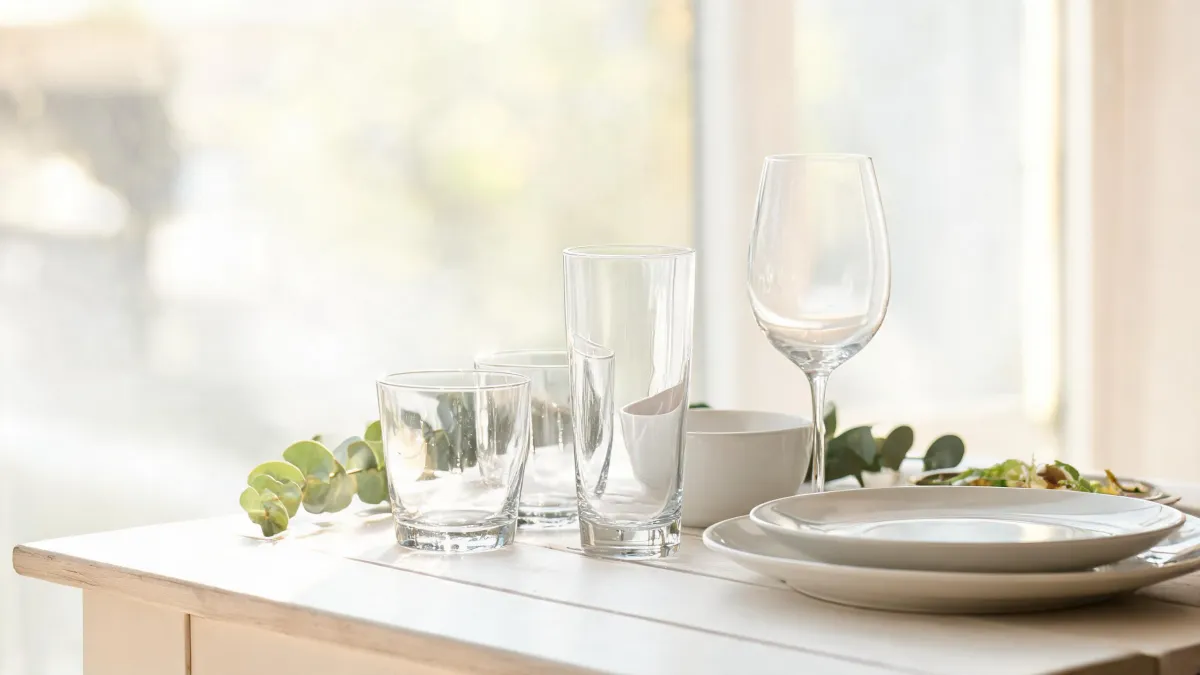
Buy the Libbey Signature Kentfield Estate All-Purpose Wine Glass if you want one glass that moves effortlessly between a Tuesday dinner and a backyard barbecue. Its durable build and 200-year brand legacy make it a low-risk choice for everyday drinking and casual entertaining. The trade-off is fine-stem fragility: if you demand delicate crystal for formal tastings, this is not that glass.
The Short Answer: A Durable Everyday Wine Glass
Yes, the Libbey Signature Kentfield Estate All-Purpose Wine Glass earns its place as a primary glass for most households. Libbey has been crafting tableware since 1818, and that two-century history shows up in the way the company talks about its products: it promises tabletop solutions made for the busiest bars and the wildest backyard barbecues. For an all-purpose glass—one you’ll use for red, white, and everything in between—that toughness is the feature that matters most. The glass isn’t designed to mimic a fine crystal tasting stem, but it doesn’t need to be. If you’re weighing a single set that can survive dishwasher cycles, crowded tables, and everyday use without constant worry, the Kentfield Estate is a rational, evidence-backed first choice. Later sections explain the legacy, the scenarios where it fits, and the care that turns 'built to last' into a lifetime of service—so you can buy with confidence rather than guesswork.
But before you add it to your cart, understand what 'all-purpose' really means. Many buyers hear 'all-purpose' and assume the glass must compromise somewhere—maybe it’s too thick for wine, or too plain for guests. That assumption is worth testing. In Libbey’s case, the brand’s foodservice background tells a different story: the same company that supplies bars and restaurants builds home glassware with the same commercial-grade mindset. When Libbey talks about setting the table for life’s great moments, that’s not just sentiment—it’s a promise that the glass will be there for those moments without letting you down. The Kentfield Estate line sits in the Signature collection, which is Libbey’s mid-tier range—a step above basic tumblers but still made to be used daily. The question isn't whether it's good enough; it's whether you want a glass that prioritizes survival over ceremony. That context frames the rest of this guide.
Why Libbey’s 200-Year Legacy Matters
Libbey doesn’t present itself as a startup glassmaker. The company has been crafting tableware since 1818, and that heritage is not just decoration—it changes the risk equation for a buyer. A 200-year history means the company has survived economic shifts, changing tastes, and the brutal churn of the drinkware industry. When Libbey says its mission is to provide the finest tableware for the makers of drinks or meals, it speaks from decades of institutional learning about what breaks, what chips, and what people actually use every day. For a buyer, this legacy translates into a simple advantage: you aren’t betting on a newcomer’s promises. You’re buying from a company that has already solved the durability problem many times over. That’s why the Kentfield Estate glass can be judged differently than an anonymous budget glass—even before you pick it up. It carries the weight of a brand that has a reason to care about every rim and stem.
The concrete evidence for Libbey’s durability claim is in how the company positions its products: 'Made to Last' is the umbrella, and the specifics are framed around real abuse. Libbey says its tabletop solutions are durable enough to withstand the busiest bars and the wildest backyard barbecues. That isn’t a vague tagline—it’s a performance specification. Bars drop glasses, stack them, and run them through commercial dishwashers; backyard barbecues involve plastic trays, bumpy tables, and the occasional dropped cup. If a glass survives both environments, it will survive a kitchen cabinet and a dishwasher at home. With proper care, Libbey adds, its products can last a lifetime. That last-lifetime promise is the part that flips the decision for many buyers: you’re not buying a fragile object you’ll replace next year; you’re buying something that, treated reasonably, becomes your default glass for decades. That's the kind of promise that matters when you're choosing a glass for a household, not a museum.
Where It Fits: From Weeknight Dinners to Backyard Parties
Picture a Thursday night when you’ve set two places for pasta and a bottle of red, then a Saturday afternoon when the patio table holds ribs, coleslaw, and a mix of guests who want everything from rosé to iced tea. The Libbey Kentfield Estate all-purpose glass is designed to play both roles. Libbey’s own language leans into this: 'When you gather friends and family to share a meal, you're not just making food and drinks—you're making memories.' The glass is meant to be the quiet workhorse of those gatherings, the one you don’t have to think twice about. It’s not a special-occasion glass that lives in a cabinet; it’s the glass you reach for when the table is full and the conversation is loud. That's the definition of a glass that earns its spot in your everyday rotation.
What makes a glass genuinely all-purpose is not that it performs brilliantly with every wine—it’s that it performs acceptably with everything, and excellently with everyday pours. The Kentfield Estate’s shape sits in the middle of the wine-glass spectrum: tall enough for whites and sparkling to hold their bubbles, with a bowl that gives reds room to breathe. It handles a 12-ounce pour comfortably, which is why it works for a weeknight dinner and a backyard toast alike. Libbey’s emphasis on beautiful, durable products for the home is the key: this is a glass that looks presentable on a nice table but won’t shatter if a toddler knocks it off an end table. That combination of aesthetics and resilience is exactly what an all-purpose glass should offer, and it’s why the Kentfield Estate earns the label. It delivers that balance without compromising the wine experience.
Is It the Right Glass for Your Table? A Quick Decision Check
Deciding whether the Kentfield Estate is your glass comes down to three criteria: how you entertain, how you clean, and what you’re willing to replace. First, count your actual hosting style. If most of your drinking happens on a couch, a counter, or a patio with guests wandering around, durability is worth more than a hand-blown rim. Second, consider your dishwasher. If you run it daily, you need glass that can take the heat and the rack noise. Libbey’s foodservice background suggests commercial-grade toughness, which means it’s designed to survive repeated washing. Third, weigh the replacement cost. A delicate crystal stem costs more and breaks easier; a Kentfield Estate glass is positioned as an affordable everyday option, so losing one to a clumsy instant doesn’t ruin your budget. Libbey’s own description of its culture—200 years of history with the innovation of an agile, modern workplace—means the brand combines tradition with fresh thinking, which is exactly what you want in a company that will stand behind its glassware. If those three align with your home, the all-purpose glass becomes the sensible default.
To see where it lands, compare it against the two alternatives buyers usually cross-shop. A fine crystal stem scores high on elegance and low on durability; a basic tumbler scores low on wine experience and high on ruggedness. The Kentfield Estate sits in the middle: it looks like a proper wine glass, handles red or white, and survives the kind of punishment a tumbler would shrug off. Libbey’s own marketing frames this as the best of both worlds—'beautiful, durable products for the home.' If you already own a crystal set for formal nights, the Kentfield Estate can handle everything else. If you own only cheap tumblers, it upgrades the wine experience without adding fragility. The decision table you really need is your own hosting pattern; the glass simply fills the gap between too delicate and too casual. Compare the price per year, not just the sticker: a $25 glass that lasts a decade costs less than a $15 glass you replace every twelve months. That's the arithmetic that makes durable all-purpose glass a smart buy. And if you already own a fragile set for special occasions, this can be the glass you grab without a second thought.
How to Make It Last: Care and Durability
Treat the Kentfield Estate like the durable glass it is, but don’t ignore the 'with proper care' clause in Libbey’s promise. Wash them with a mild detergent and warm water, and dry them with a soft cloth to avoid water spots—especially if you live in a hard-water area. While they’re designed to survive busy bars and backyard barbecues, that doesn’t mean you should bang them against a sink or scrape them with metal utensils. Store them upright, not stacked, so the rims and bowls don’t chip. And let them acclimate gradually to temperature changes: don’t pour boiling water into a cold glass or drop an ice cube into a hot one. That kind of abusive treatment would test even 'made to last' glassware. Care here is less about protecting a delicate object and more about keeping a tough one in top shape.
The long-term value of the Kentfield Estate glass isn't just that it resists breakage; it's that the brand's 'last a lifetime' promise changes how you think about the purchase. A $20 glass that lasts 10 years is cheaper than a $25 glass that breaks in 6 months. Libbey's track record since 1818 suggests the glassware is engineered with that lifespan in mind. Even if you're not planning to keep it forever, the durability means you'll replace it far less often, save money, and avoid the hassle of mismatched sets. That's the quiet math of everyday drinkware: the most affordable glass is the one you only buy once. For hosts who value consistency across a table, that's a real advantage. So when you compare the Kentfield Estate to cheaper alternatives, factor in the years of service you're likely to get—not just the upfront price.
The Verdict: Who Should Buy It
The verdict: buy the Libbey Signature Kentfield Estate All-Purpose Wine Glass if you're a home entertainer who wants one glass type that works for both red and white, for weeknight dinners and backyard parties, and for a life that includes the occasional dropped glass. Libbey's own values statement—new ideas are valued, collaboration is fundamental—reinforces that this is a company that has earned trust through both tradition and adaptation. You should not buy it if your primary drinking occasions are formal wine tastings where stemware delicacy is part of the ritual, or if you're looking for a heirloom-quality crystal piece. For everyone else—the majority of drinkers—the Kentfield Estate is the rational default. It's the glass that shows up for life's unscripted moments, and that's exactly what most households need. The durability argument is simple: a glass that survives is worth more than one you have to handle with white gloves.
Here's the reusable rule: if you must ask 'will this break when someone sets it down too hard?' you're in durability-first territory—buy the Kentfield Estate. If you must ask 'does this make the wine taste noticeably better than my regular glass?' you're in purity-first territory—save up for crystal and treat it gently. The all-purpose glass earns its place when the first question matters more than the second. Most homes, most parties, and most weeknight dinners live in that first territory. So unless you're setting a table for a formal tasting or building a glass collection for the sake of collecting, the Libbey Signature Kentfield Estate All-Purpose Wine Glass is a sensible, evidence-backed pick that will serve you for years. That's the decision rule: prioritize survival, and this glass wins. Use that rule the next time you're staring at two glasses in a store, and the answer will be obvious. It's a simple filter that saves you from both breakage and buyer's remorse.

Ingrid Falk
Ingrid Falk is an outdoor living products analyst specializing in fences, pergolas, gazebos, canopies, greenhouses, shade sails, patio sets, outdoor sofas, and weatherproof cushions. She uses ISO 4892-2 and ASTM G154 weathering methods while comparing UV color change, coating adhesion, corrosion resistance, frame load, joint stability, water shedding, and dimensional movement. Her work helps garden retailers, project buyers, and hospitality operators select structures and furniture suited to wind exposure, climate, installation method, maintenance, and expected occupancy.
Leave a Reply