The Outsunny 24-Foot Square Sun Shade Sail: A Field Guide to Installing It Right
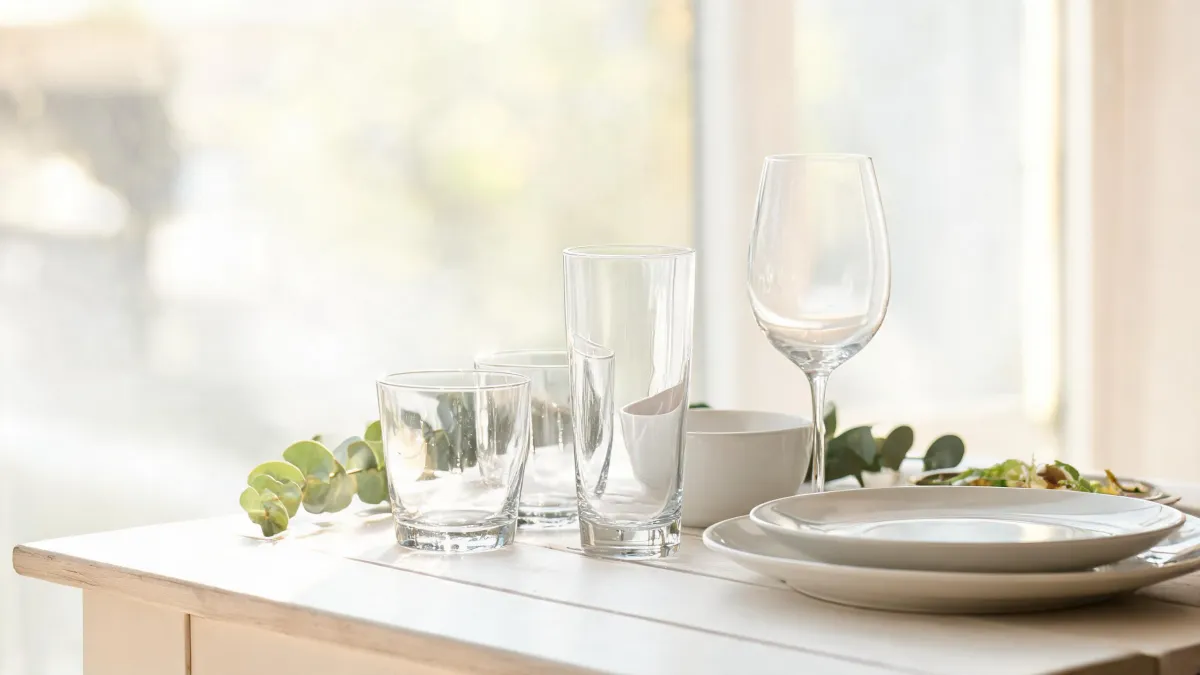
At three in the afternoon, the concrete patio turns into a radiant heat source. The sun sits low enough to angle under the eaves, and the metal table is uncomfortable to touch. A homeowner steps out with a glass of lemonade, surveys the glaring slab, and retreats to the kitchen. It's a familiar scene for anyone with a western-facing yard: the space you paid for, the one meant for afternoon coffee or dinner outside, becomes a no-man's land just when the day is pleasant enough to enjoy. The umbrella you own covers a small circle, and the wind whips it sideways anyway. So the question hangs in the heat: how do you shade a twenty-four-foot-square patio without turning it into a cave? That question is what leads people to consider a shade sail, and it's the question this guide answers step by step.
The 3 PM Patio That Calls for a Sail
At three in the afternoon, the concrete patio turns into a radiant heat source. The sun sits low enough to angle under the eaves, and the metal table is uncomfortable to touch. A homeowner steps out with a glass of lemonade, surveys the glaring slab, and retreats to the kitchen. It's a familiar scene for anyone with a western-facing yard: the space you paid for, the one meant for afternoon coffee or dinner outside, becomes a no-man's land just when the day is pleasant enough to enjoy. The umbrella you own covers only a small circle, and the wind whips it sideways anyway. So the question hangs in the heat: how do you shade a twenty-four-foot-square patio without turning it into a cave? That question is what leads people to consider a shade sail, and it's the question this guide answers step by step.
The problem isn't just direct sun. A hardscape patio absorbs heat all afternoon and radiates it back, so even after the sun drops, the reflected heat keeps the space uncomfortable. A conventional patio umbrella, even a large one, covers perhaps a ten-foot circle, and its pole takes up precious floor space. A pergola provides overhead structure but blocks the breeze and costs thousands of dollars to build. A retractable awning can work, but it attaches to the house and leaves the outer edge of the patio exposed. What you need is a broad piece of fabric that shades the whole area while letting air move, something that doesn't demand permanent construction. That's where a square shade sail enters the conversation. It's a product designed for exactly this gap: large, breathable, and installable without a contractor.
The sail is a simple concept: a piece of high-density polyethylene fabric stretched between anchor points, angled to shed rain and rigged with stainless steel hardware. Its size is what sets it apart. A 24-foot square sail covers 576 square feet, which is enough to blanket a substantial portion of a large patio. The fabric is woven to block a good percentage of UV rays while still letting air pass through, so the space underneath feels cooler without being stuffy. And because the sail is tensioned rather than supported by poles, it doesn't eat up floor space. That's the functional pitch. But the brand behind the sail matters too. Outsunny has been building outdoor shade products since 2013, starting with a single garden trowel and growing into a catalog that spans umbrellas, pergolas, and awnings. A company with that kind of range knows how fabric holds up in sun and rain—which is why their hardware and stitching are worth trusting for a permanent install.
Why a Square Sail Beats an Umbrella on a 24-Foot Patio
To see why a square sail makes sense on a big patio, compare it to the alternatives you've probably already tried. A patio umbrella tops out at around a 15-foot diameter if you buy a large one, and that leaves a 24-foot square space mostly shaded only near the center. The pole sits in the middle, dictating where the table goes, and the canopy catches wind like a parachute; on a gusty afternoon you're constantly adjusting its tilt or wrestling it closed. A pergola gives you a defined overhead structure, but it blocks the breeze, requires posts set in concrete, and carries a price tag that rivals a small outdoor kitchen. A retractable awning is great for a stripe right next to the house, but the outer edge of the patio remains in full sun. The sail solves all of these: it spans the whole area, has no center pole, and because it's fabric, it moves with the wind instead of fighting it.
Outsunny's product lineup gives you a clue about how seriously they take shade. Look at their catalog and you'll see large retractable awnings, cantilever umbrellas, pergolas, and shade accessories all sitting side by side. That's not a company that stumbled into one product; it's a company that has thought through the different ways people need to block sun, from a balcony to a pool deck. The breadth matters because it means they've had to engineer fabric to perform under UV exposure, rain, and wind across multiple formats. When you buy a sail this size from them, you're not testing a one-off; you're selecting a product from a system of shade solutions they've refined over years. That's the evidence that the sail's stitching and corner reinforcements are built for the long haul, not for a single summer.
The benefits stack up cleanly. You get coverage, airflow, and daylight that a solid roof can't offer. The open-weave fabric shades without making the space feel like a tent, and it lets heat escape upward. Cost-wise, a single 24-foot sail with hardware runs far less than a pergola or a full awning system, and install is a weekend project rather than a construction project. For most homeowners, the decision comes down to how much shade you need and how much structure you're willing to commit to. A sail wins when you want broad, breathable coverage without permanent beams. It's also reversible—you can take it down in winter or restring it if you change the layout. And because the fabric is lightweight, maintenance is simple: a rinse with the hose and a check of the seams. That simplicity is exactly what makes a large patio feel usable again.
Choosing the Right 24′ Sail: Fabric, Corners, and Mounting Points
Choosing the right sail starts with measuring your mounting points, not with square footage alone. A square sail this size needs four anchor points arranged roughly in a square or rectangle that match the sail's corners. If your patio is bounded by a house wall on one side and posts on the others, you'll measure the distances between them. The sail should be slightly larger than the open span, not smaller, so it overlaps the edges and provides complete coverage. But bigger is not automatically better. If you try to stretch a 24-foot sail across anchors that are only 20 feet apart, you'll have excess fabric that sags in the middle and collects water. The correct approach is to match the sail size to the actual span, then use the fall—the vertical drop from high corner to low corner—to keep the fabric taut. The golden rule: plan for two to three feet of fall across the diagonal. That slope is what lets rain run off instead of pooling.
Fabric choice matters more than color. Look for high-density polyethylene (HDPE) with a tight weave and a UV rating; this is the material most shade sails use because it blocks a high percentage of UV while allowing air to pass. Open-weave fabric lets breezes through, which keeps the space cool in summer. Some sails are coated to increase water resistance, but a coated fabric can trap heat and feel stuffy underneath. The color also affects the feel: lighter colors reflect more light, darker colors absorb more sunlight and can make the space slightly warmer, but they also give a deeper shade. For a patio you use in the afternoon, a medium tone like sand or gray is a safe balance. More important than color is whether the fabric has a properly heat-sealed edge and reinforced corners—those are the stress points that fail first.
Mounting points decide whether the sail works or is a constant worry. You can attach to a house wall, a wooden post, a steel column, or a tree—each requires different hardware. On a house wall, use a lag bolt into a stud or a structural beam; never screw it just into siding. On wooden posts, use a heavy-duty eye lag and a turnbuckle. On metal, use a clamp or a welded eye bolt. The key is that the anchor must handle not just the dead weight of the fabric but the live load of wind and rain. A 24-foot sail catches a lot of breeze, so overtensioning can pull anchors loose over time. That's why the fall matters: with a generous 2- to 3-foot drop, the sail sheds wind and water more efficiently, reducing stress on the hardware. Don't try to make the sail perfectly horizontal; a slight rake is what keeps it functional.
Installing the Sail: Tension Causes, Rain Sheds
Installation is straightforward if you follow a sequence. Start by attaching the high corner first—usually the corner closest to the house or the one you'll use as the top of the slope. Secure the turnbuckle loosely, then move to the low corner, pulling the fabric taut but not fully tight. Next, attach the remaining corners, adjusting so the sail has a smooth curve rather than wrinkles. Use a helper to hold the fabric and a ladder rated for the height; this is a two-person job. Before you tighten anything, stand back and look at the line of the sail. It should have a gentle slope from high to low, with no flat spots where water could sit. Once the layout is right, tighten the turnbuckles gradually, a quarter turn at a time, alternating between corners.
Tension is a balancing act, and understanding the cause-effect chain tells you why. If the sail is too loose, the center sags, and after a rain it collects a pool of water that stretches the fabric and loads the anchors unevenly. If it's too tight, you distort the square shape, pull the corners out of alignment, and put unnecessary stress on the stitching and on whatever you've mounted to. The cause of both problems is the same: ignoring the natural curve of the fabric. A flat, tightly pulled sail will always fight the wind; a sail with a proper fall moves slightly, sheds water, and returns to shape. The rule is to tension until the fabric is smooth with no wrinkles, but still has some flex when you push on it. If you can bounce a coin off it, it's too tight. Aim for a slight give—about an inch of movement under hand pressure—and you'll find the sweet spot.
Safety comes down to regular checks. Once a season, inspect the stitching along the edges, the corner rings, and the turnbuckles for rust or wear. After a heavy storm, give the sail a once-over: look for stretched grommets, frayed thread, or anchors that have shifted. If you notice any of these, adjust the tension or replace the worn hardware before it becomes a structural issue. Also, watch the low corner in winter; if you live in a snow zone, take the sail down or at least loosen it so snow doesn't load it up. A shade sail is a low-maintenance piece of equipment, but it's not a set-and-forget one. A few minutes of attention each year keeps it secure for seasons. That's the habit that turns a good product into a lasting one.
Back on the Patio: The Sail in Late Afternoon
Now it's three in the afternoon again, but the patio is different. The shade sail stretches overhead, a sand-colored triangle cutting the sun, and the concrete beneath is cool enough to walk on barefoot. A breeze moves through the open-weave fabric, and the air under the sail is noticeably fresher than the surrounding heat. The table that used to be too hot now holds a pitcher of iced tea, and the seats are occupied. The change isn't just visual; it's a functional shift. What was a wasted corner of the yard has become the place people drift toward. The sail doesn't look like a permanent structure—it moves slightly, casts a soft-edged shadow, and lets the sky show through. That's the difference between covering a space and making it livable.
If you take only one thing from this guide, make it this: set the low corner two to three feet below the high corner, and tension the sail until it's smooth but still has flex. That single decision governs the sail's behavior in rain, wind, and sun. Fabric color, brand choice, even getting the right size matter less than this rake. A sail with a proper fall sheds water instead of pooling it, sheds wind instead of catching it, and keeps its shape for years. When you're up on the ladder, it's tempting to pull everything flat and tight for that crisp look. Resist it. Give the sail the slope it wants, and it will return the favor season after season. That's the rule that separates a sail that works from a sail that sags.
None of this matters if the product itself is flimsy, which is why the scale of Outsunny's operation is worth acknowledging. The company reports warehouses spanning seven countries and over 700,000 square meters, with more than 20 million families using their products. Those numbers aren't just vanity metrics; they mean Outsunny has had the pressure to make shade products that survive real use—mothers watching kids on pool decks, grill masters relying on awnings, families hosting late-afternoon gatherings. When you mount a sail this size from that catalog, you're tapping into a system that has been field-tested across continents. So as the afternoon sun softens into evening, the sail still stands, the patio remains in shade, and the decision to choose it feels like the obvious one. That's the quiet confidence of getting the angle right.
The afternoon sun moves on, but the shade stays. A 24-foot square sail, mounted with a deliberate fall and a measured hand, turns a hot slab into a gathering place. That's the whole field guide in one image: angle the fabric, respect the tension, and the sail does the rest.

Ingrid Falk
Ingrid Falk is an outdoor living products analyst specializing in fences, pergolas, gazebos, canopies, greenhouses, shade sails, patio sets, outdoor sofas, and weatherproof cushions. She uses ISO 4892-2 and ASTM G154 weathering methods while comparing UV color change, coating adhesion, corrosion resistance, frame load, joint stability, water shedding, and dimensional movement. Her work helps garden retailers, project buyers, and hospitality operators select structures and furniture suited to wind exposure, climate, installation method, maintenance, and expected occupancy.
Leave a Reply